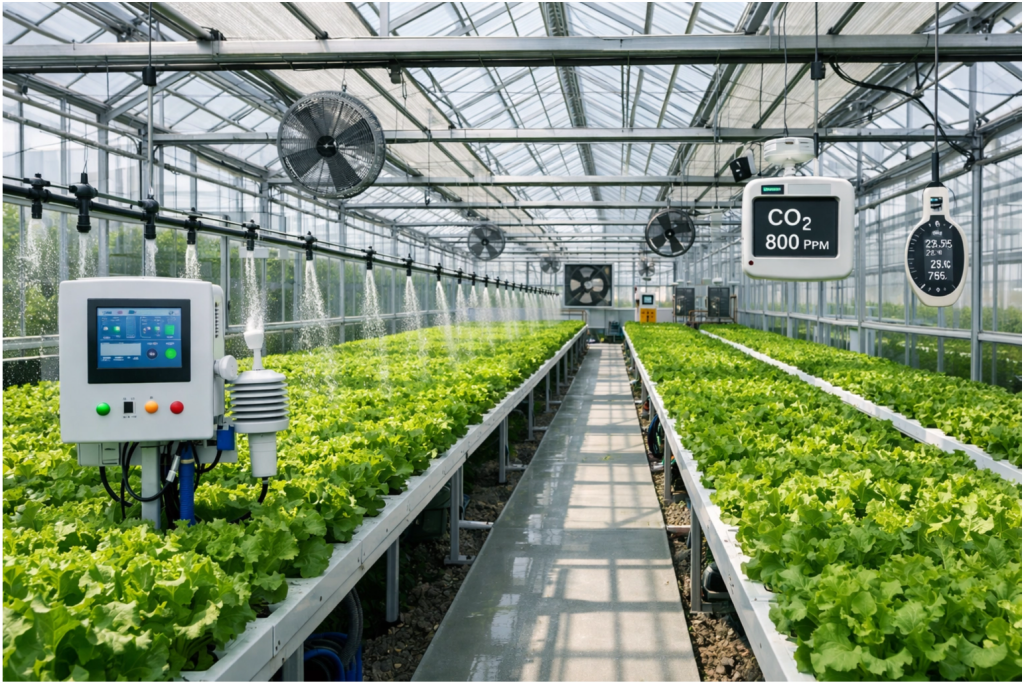
Greenhouses: Best Practices to Maximize Productivity
Greenhouses are among the most important modern agricultural technologies, as they allow control over environmental conditions such as temperature, humidity, and lighting, which helps improve plant growth and increase productivity. However, maximizing the benefits of greenhouses requires following a set of proper agricultural practices.
Selecting Suitable Crops
Choosing crops that are well-suited to greenhouse conditions is one of the most important factors affecting productivity. Crops such as tomatoes, cucumbers, and peppers perform exceptionally well when grown in greenhouses.
Climate Control
It is essential to continuously monitor temperature and humidity inside the greenhouse. Using ventilation and cooling systems helps maintain an optimal environment for plant growth and reduces heat stress.
Irrigation and Fertilization Management
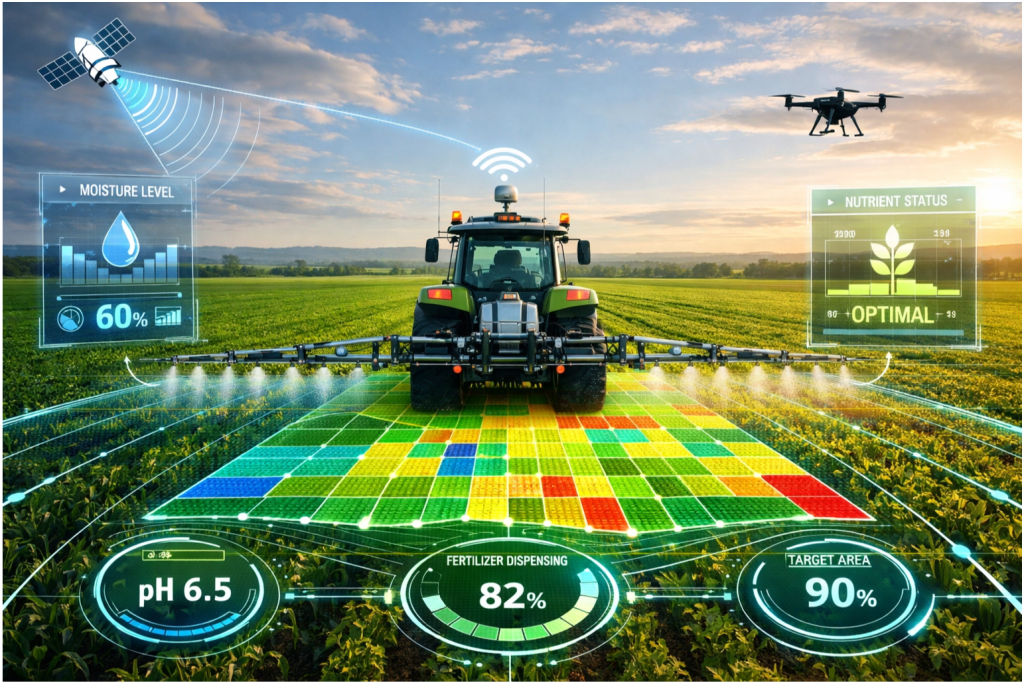
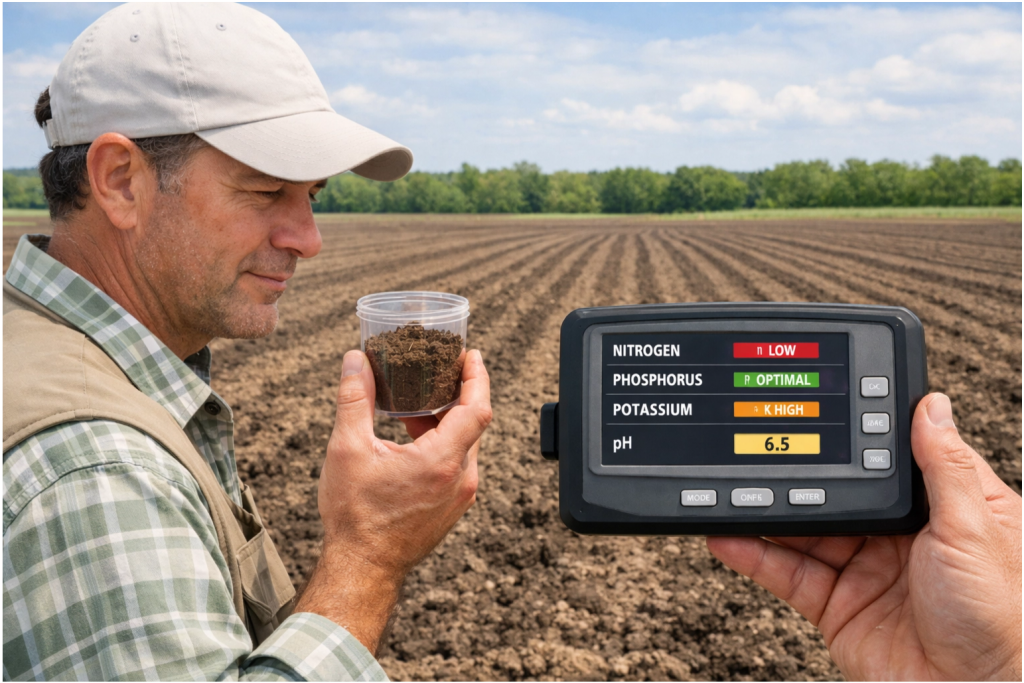
Drip irrigation systems are among the best methods used in greenhouses, as they conserve water and deliver it directly to plant roots. Additionally, precise fertilization programs tailored to the plant’s needs at each growth stage are recommended.
Pest and Disease Control
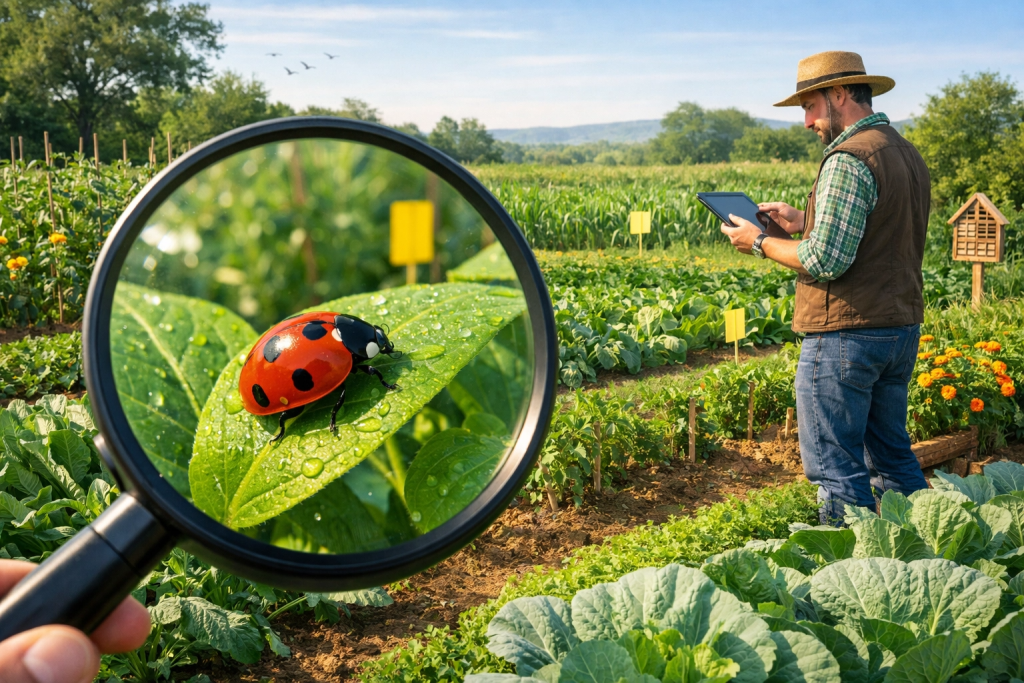
Regular monitoring of plants allows early detection of pests. Biological control methods and reduced reliance on chemical pesticides help maintain plant health and crop quality.
Using Modern Technologies
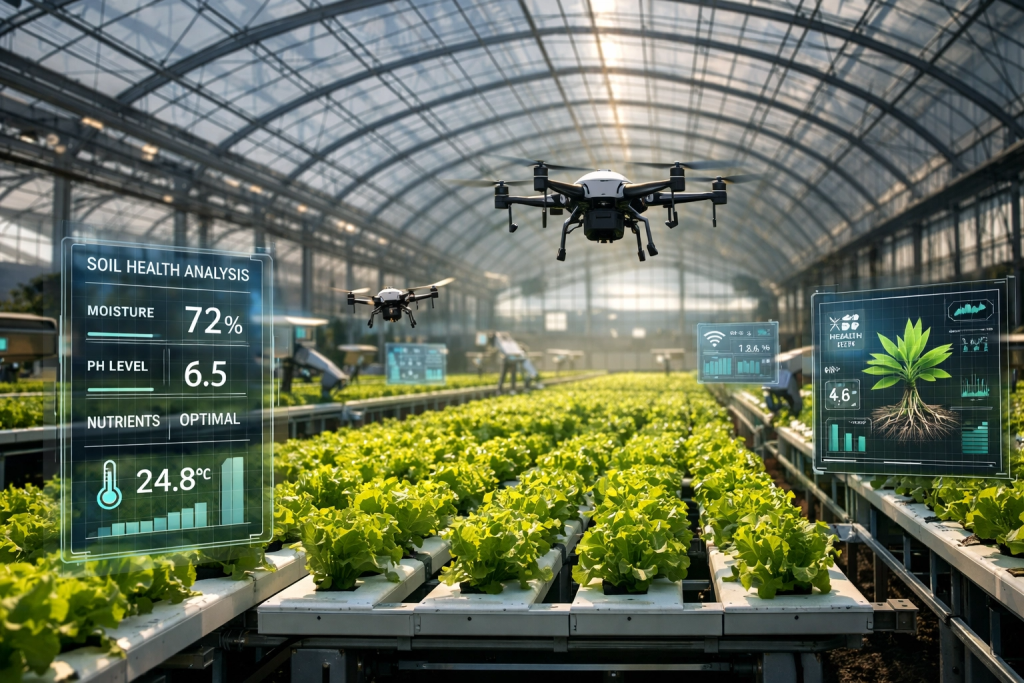
Modern technologies, including sensors and smart control systems, help automatically regulate environmental conditions inside the greenhouse, improving production while reducing costs.
Applying these practices enables farmers to achieve higher productivity and better crop quality in greenhouses.